Artificial Lawn Installation: Revitalize Your Outdoor Space With Minimal Upkeep
Artificial grass installation presents a smart choice for homeowners who desire an attractive lawn without the need for continuous care. This modern solution provides numerous advantages, from lower water usage to fewer pest concerns. Learning the details of installation and upkeep can greatly enhance the value of a property. However, many may wonder if this investment truly pays off in the long run. Examining the specifics can shed light on this growing movement.
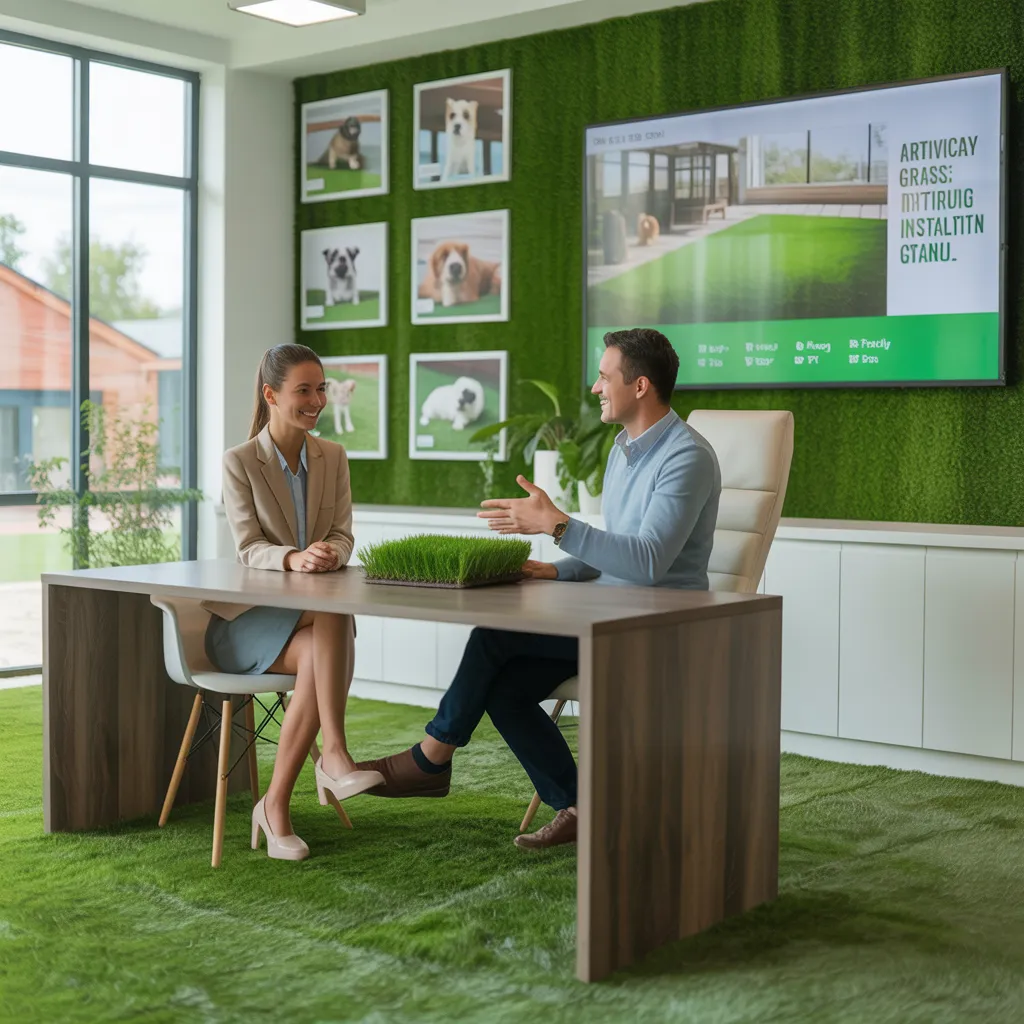
Tired of Lawn Maintenance? Find Out Why Artificial Grass Is Your Best Option
Why endure endless hours of lawn maintenance when artificial turf presents a viable option? Many homeowners find themselves overwhelmed by the demands of natural grass, which includes regular mowing, watering, and fertilizing. These responsibilities not only take up precious time but also lead to higher water bills and environmental issues. Artificial grass presents a solution that eliminates the need for these labor-intensive activities.
With advancements in technology, contemporary synthetic grass mimics the appearance and texture of real grass, delivering an appealing outdoor space in every season. It holds up against different weather conditions without discoloration or deterioration, making it a reliable choice for any climate. Furthermore, installing artificial grass can significantly improve the visual appeal of both residential and commercial spaces, offering a clean, manicured look without the upkeep. With more homeowners and business owners searching for easy-care solutions, synthetic turf stands out as an appealing option for those weary of conventional lawn maintenance.
Top 5 Benefits of Choosing Artificial Turf
Although many homeowners look for low-maintenance landscaping options, the merits of artificial turf go well beyond simple convenience. First, artificial grass keeps a vibrant look throughout the year, doing away with the seasonal fading often seen in natural lawns. Second, it substantially decreases water use, making it an eco-friendly choice, especially in areas frequently affected by drought. Third, artificial turf is resistant to pests and weeds, minimizing the need for harmful pesticides and herbicides. Fourth, it provides long-lasting strength, standing up to heavy foot traffic without the wear and tear often seen with natural grass. To conclude, the installation of artificial turf may boost property value, providing a clean, attractive look that appeals to potential buyers. Combined, these merits make artificial turf a compelling and functional choice for homeowners seeking to enhance their outdoor areas.
Choose the Correct Type of Artificial Grass
Picking the right variety of artificial grass involves multiple key considerations that can greatly influence its performance and appearance. Aspects such as durability against weather conditions, pile height, and color are important in reaching an informed decision. Each factor plays a role in the overall aesthetic and functionality of the application, guaranteeing it aligns with specific requirements and tastes.
Grass Stack Height Factors
When picking artificial grass, one essential factor to take into account is the pile height, which can considerably influence both appearance and performance. Pile height commonly falls between 1 inch to 2.5 inches, and the right choice depends on usage and visual preferences. Taller piles tend to deliver a rich, realistic look but may demand greater care to stay in position. Conversely, shorter piles offer a more durable surface, well-suited to high-traffic areas such as athletic courts or recreational areas. Moreover, environmental factors, such as regional climate and sunlight exposure, can impact the effectiveness of different pile heights. At the conclusion of the day, selecting the appropriate pile height guarantees that the artificial grass meets both aesthetic desires and practical needs for any specific location.
Find The Right Color
How does selecting the right color boost the overall attractiveness of artificial grass? Picking a suitable color for artificial grass is key to accomplishing a natural aesthetic and enhancing the surrounding landscape. A wide range of tones, from bold greens to soft earth tones, gives homeowners the freedom to adjust their choice based on individual preference and surrounding conditions. For instance, lighter greens can create a fresh, summery vibe, while darker hues may evoke a more mature, lush appearance. Additionally, the right color can help in reflecting sunlight, which can influence the overall ambiance of the outdoor space. At the end of the day, picking the perfect color not only elevates the decorative appeal but also confirms that the artificial grass merges smoothly into its natural setting.
Durability And Weather Resistance
Durability and weather resistance are essential considerations while deciding on the ideal variety of artificial lawn, as they have a direct effect on its longevity and performance. Premium artificial grass is engineered to endure a wide range of weather conditions, including strong UV rays, heavy precipitation, and sub-zero temperatures. When selecting artificial grass, one should consider materials such as polyethylene or polypropylene, valued for their toughness deserve careful consideration. Protection against UV rays is also a key factor, as it prevents fading and degradation from sunlight exposure. Additionally, a robust backing system enhances stability and prevents wear over time. At the end of the day, opting for long-lasting, weather-resistant artificial grass provides a stunning, high-performing lawn that needs minimal care while effectively withstanding environmental conditions.
How to Set Up Your Yard for Artificial Grass Installation
Getting a yard for synthetic turf installation requires various critical steps. As a first step, it is important to eliminate any current vegetation to establish a fresh foundation. Next, smoothing out the ground provides a flat and uniform base for the fresh turf.
Eliminate Existing Vegetation
To guarantee a effective artificial grass installation, clearing existing vegetation is an indispensable first step. This task involves removing all grass, weeds, and other plants from the designated area. Effective removal guarantees that no organic matter interferes with the installation, stopping future growth that could damage the artificial grass. It is recommended to use tools such as a shovel, sod cutter, or garden fork to remove the vegetation completely. After clearing, the area should be inspected to ensure no remnants are present, as these can lead to poor drainage and uneven surfaces. Responsible disposal of the extracted vegetation is also essential, providing a clean and organized site for the scheduled installation of artificial grass.
Even Out The Ground
Once the existing vegetation has been cleared, the subsequent step entails leveling the ground to create a stable foundation for the artificial grass. This process commences by inspecting the area for any depressions or irregular surfaces. With the help of a rake or shovel, the homeowner should move soil around to create an even, level surface. It is important to compact the soil to minimize future ground movement, which can cause uneven patches in the artificial turf. A mechanical compactor can be utilized for this job. Furthermore, a slight slope should be preserved to ensure adequate water flow away from structures. This thorough grading not only boosts the overall appearance but also extends the lifespan of the artificial grass by preventing water accumulation and facilitating effective water drainage.
Step-by-Step Guide to Installing Artificial Grass
Setting up synthetic turf can change any outdoor area into a lush, green oasis with minimal maintenance. The first step involves taking measurements of the space to determine the amount of turf needed. Next, the current grass and waste materials must be removed, followed by evening out the ground to guarantee proper drainage. A foundational layer of crushed stone or decomposed granite should then be spread and compacted to establish a firm and stable foundation.
Afterward, a weed control fabric is placed to prevent unwanted growth beneath the synthetic turf. The fake grass is then rolled out, guaranteeing it fits the area without any overlaps. Edges are secured with landscape staples and bonding adhesive, and joints are sealed using seaming tape and adhesive for a neat and seamless result. Lastly, infill is distributed to help the grass blades stand upright, boosting the overall aesthetic and feel. This methodical process ensures a professionally finished and attractive installation.
Upkeep Advice for Your New Artificial Grass
Synthetic turf requires ongoing care to preserve their look and lifespan. Routine brushing is necessary; using a stiff-bristle broom helps lift the fibers and prevent matting. Waste materials like leaves and branches should be cleared away quickly to prevent fading and mold development. For spills or stains, a mild soap solution can be applied, then rinsed with water to avoid residue accumulation.
Periodically rinsing with a garden hose works to remove dirt and pet smells, maintaining a clean appearance and pleasant scent. During heavy use, the infill may need to be topped up to maintain stability and cushioning. Furthermore, examining for any wear or damage, including tears or loose seams, enables prompt repairs, maintaining the lawn's overall integrity.
Ultimately, avoiding sharp objects and high-heat sources can prevent unnecessary wear. By adhering to these care guidelines, homeowners can benefit from a beautiful, hassle-free lawn for the long term.
Is Artificial Grass Worth the Cost?
How does one determine whether artificial grass is a worthwhile investment? Evaluating the cost-benefit ratio is essential. Initially, artificial grass may appear expensive, with installation costs often exceeding natural grass. Yet, its lasting benefits have the potential to outweigh the upfront costs.
Synthetic turf demands very little care, doing away with expenditures tied to mowing, watering, and fertilizing. This decrease in maintenance costs can result in substantial long-term savings. Moreover, the resilience of synthetic grass allows it to endure for a minimum of 15 years, offering exceptional value due to its remarkable durability.
Environmental factors also come into play decreased water use is a persuasive element similar information in drought-prone areas.
In the end, the final call copyrights on each homeowner's unique situation, including budget, the local environment, and lifestyle needs. Considering these elements can help homeowners assess whether artificial grass is a sound financial decision for their individual requirements.
Questions We Get Asked Often
Is Artificial Grass Safe for Pets?
Artificial grass is safe for pets to use, as it is free of harmful chemicals and typically built to handle heavy use. Proper drainage and regular cleaning guarantee hygiene, making it a smart solution for pet owners in search of hassle-free maintenance.
How Long Will Artificial Grass Last?
Synthetic turf typically lasts between 15 to 25 years, based on factors including quality, usage, and environmental conditions. Routine care can significantly increase its longevity, keeping it a practical and appealing choice for exterior areas.
Does Artificial Grass Have Eco-Friendly Benefits?
Artificial grass is often considered less eco-friendly due to its petroleum-based materials and likely environmental concerns throughout manufacturing and end-of-life processes. However, it minimizes water usage and decreases reliance on chemical treatments, which can benefit particular aspects of the ecosystem.
Can Synthetic Grass Be Recycled?
Absolutely, synthetic turf may be recycled, however the process varies by maker. Several businesses provide recycling initiatives, permitting users to bring back old turf for repurposing, thus reducing landfill waste and supporting a greener environment.
What Takes Place During Harsh Weather Conditions?
Throughout severe climatic conditions, synthetic turf might suffer from temperature variations, potential fading, or distortion. Heavy rainfall could cause poor water runoff, while intense heat might cause the turf surface to become uncomfortably hot for individuals utilizing the area.